













Just three days into the new year, American special forces launched a surprise operation in Venezuela that captured dictator Nicolás Maduro, after months of heightening pressure on the regime by the Trump administration. A significant escalation in America’s “war on drugs,” this operation involved broad involvement of United States special forces.
According to the Chairman of the Joint Chiefs of Staff, over 150 military aircraft were involved in a “large-scale strike.” Reports also indicated that Caracas, Venezuela’s capital, suffered power outages early the same morning, hinting at the possibility of a simultaneous cyber offensive. “The lights of Caracas were largely turned off due to a certain expertise that we have,” President Donald Trump said.
This is a development in the president’s war on what he calls “narco-terrorists.” The federal government has indicated that the operation was primarily aimed at extraditing Maduro to the United States to face drug-related charges in New York. This event followed dozens of drone strikes on alleged drug-smuggling vessels, which resulted in over one hundred deaths and has ignited bitter controversy in recent months. The operation also marks an increase in what some have called a campaign of imperialism, as the president also has threatened to similarly invade Cuba, Columbia, and even Greenland.
During the dead-of-night strike, approximately two dozen Delta Force soldiers, per Forbes, raided Maduro’s compound and apprehended him as he attempted to flee with his wife to a fortified room on the property. As explosions rocked the skyline, the captives were promptly flown out of Venezuela and arrived in New York under heavy guard hours later.
Many have questioned the legality of the operation, calling it a violation of the UN Charter and international law. In any case, however, Venezuelans have rejoiced at the end of Maduro’s rule. Maduro, widely considered to be an illegitimate ruler, has been accused of perpetrating numerous grave crimes, from human rights violations to systemic oppression. As the United States moves in to “run” Venezuela, however, the transition has been rocky. Delcy Rodríguez, Venezuela’s former vice president, serves as interim leader, while Trump insisted he was the “acting President.”
There seems to have been little distinct regime change, however, as the region remains in turmoil. In what has been described as a gesture of good will, the Venezuelan government promised to free “significant” numbers of prisoners, many of which the Associated Press described as “political opposition, activists, journalists and soldiers.”
Indeed, what appears to be one of America’s primary motivations in the operation is to secure control of the country’s crippled oil infrastructure. Venezuela is one of the world’s top oil producers, producing about 800,000 miles per day, according to Dow Jones MarketWatch. Democrats in Congress have described the action as essentially stealing oil at gunpoint, while others point to reported profit-sharing between the two countries.
Furthermore, while Trump has hinted at plans to ease sanctions to allow oil companies to rebuild facilities in Venezuela, it is not entirely clear if this will go as planned. Patrick Pouyanne, the Chief Executive Officer of French company TotalEnergies, told Reuters on January 13th that “it will require a clear framework” to make a return to Venezuela, noting that such a plan would “take time.” Pouyanne explained that it would take one-hundred billion dollars to increase production by one million barrels daily, seemingly pointing to a lack of return on investment as a key reason the oil industry is dragging its feet on returning. Exxon’s CEO said Venezuela is “uninvestable,” after which Trump threatened to bar the company from the country.
As the situation in Venezuela continues to unfold and President Trump continues to ramp up his threats of invasion towards other South American countries as well as NATO allies, it remains to be seen what exactly will happen in the region.
Categories:
Controversy Follows American Military Operation in Venezuela
Donate to The Mount Online
Your donation will support the student journalists of Mount Michael Benedictine High School. Your contribution will allow us to purchase equipment and cover our annual website hosting costs.
More to Discover


About the Contributor
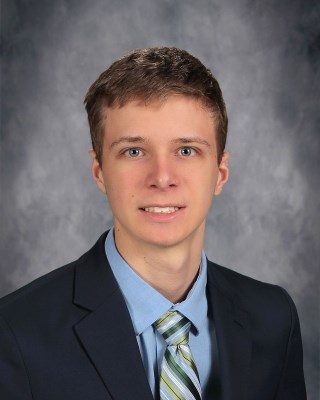
Gabe Sus, Copy Editor
Gabe joined The Mount Journalism team in 2023, and now serves as copy editor. Sus also participates in theater and independent writing.